
Book supports or, more aptly named, cradles are used to display bound library materials in exhibitions. The Smithsonian Libraries plans and installs two exhibitions each year that include as many as a hundred volumes on display at a given time. Since books come in various sizes shapes and materials, a proper support is necessary to assure that the book rests comfortably while on exhibit yet have the cradle remain somewhat invisible.
Year: 2016
This post was written by L.K. Ward and was originally published on the Oceans Portal blog on March 21st, 2016.
You may not have realized it, but you’ve been acquainted with Mary Anning since you were young.
“She sells sea shells by the sea shore.”
Remember this grade school tongue-twister? What you probably didn’t know is that this nursery rhyme is based on a real person who not only sold seaside curiosities by the seashore, but became world renowned for her fossil discoveries.
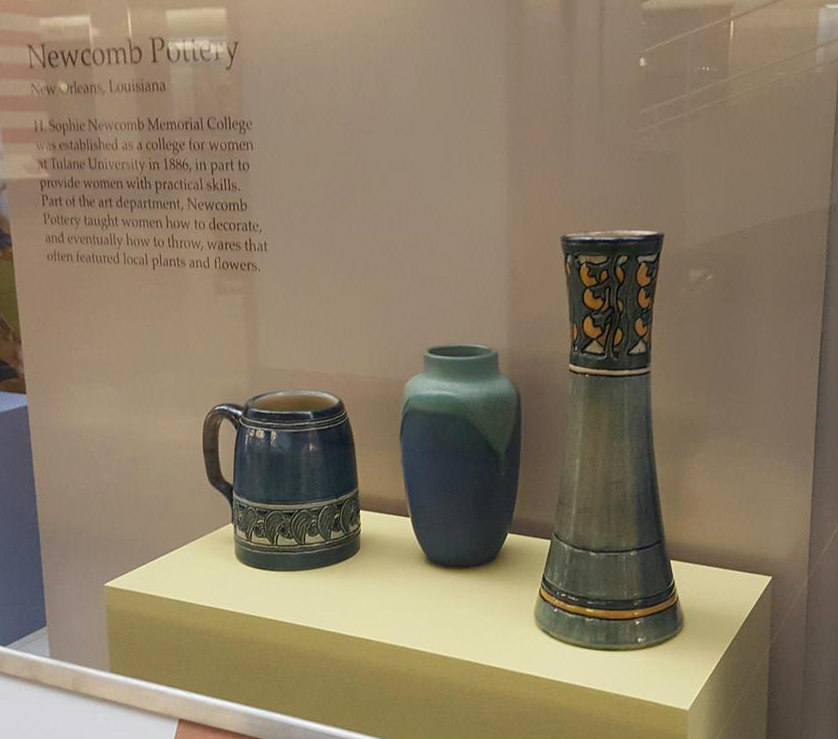
I’ve been a fan of Newcomb pottery since I first saw an example on the Antiques Roadshow more than a decade ago. Currently I have the opportunity to see Newcomb pottery every day — three pieces are featured in an art pottery and glass exhibit at the National Museum of American History, the building where I work. Simple forms, lovely colors and nature motifs make Newcomb pottery very appealing and highly collectible. But there’s also a compelling story behind the pottery. For March, which is both Women’s History Month and National Craft Month, I want to share information about Newcomb College in New Orleans where the pottery was made. This college offered education and employment for women artists at a time when such opportunities were scarce, especially in the South.
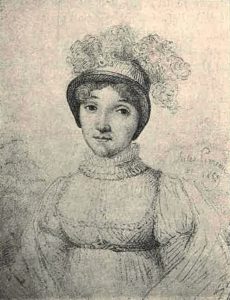
This March, in honor of Women’s History Month we’re highlighting notable women who are represented in our collections.
Sophie Blanchard was the first professional female aeronaut in history. Born March 25, 1778 near La Rochelle, France, Sophie was initiated into ballooning by her husband Jean-Pierre-François Blanchard, himself a pioneer in ballooning. Jean-Pierre along with his co-aeronaut Dr. John Jeffries, were the first to cross the English Channel by balloon in 1785.
In honor of Women’s History Month, we’re highlighting a book written and illustrated by female artists, The Ultimate Safari. The book is currently featured in our exhibition, Artists’ Books and Africa, which is open until September 2016 and is located in the National Museum of African Art.
The short story “The Ultimate Safari,” by Nadine Gordimer, was originally published in 1991 in Jump and Other Short Stories (London: Bloomsbury).[1] This new edition of The Ultimate Safari is distinguished by its illustrations: twelve lithographs drawn by Aletah Masuku, Alsetah Manthosi, and Dorah Ngomane. Mark Attwood at The Artists’ Press initiated and produced the book in collaboration with Tamar Mason, co-director of the press.
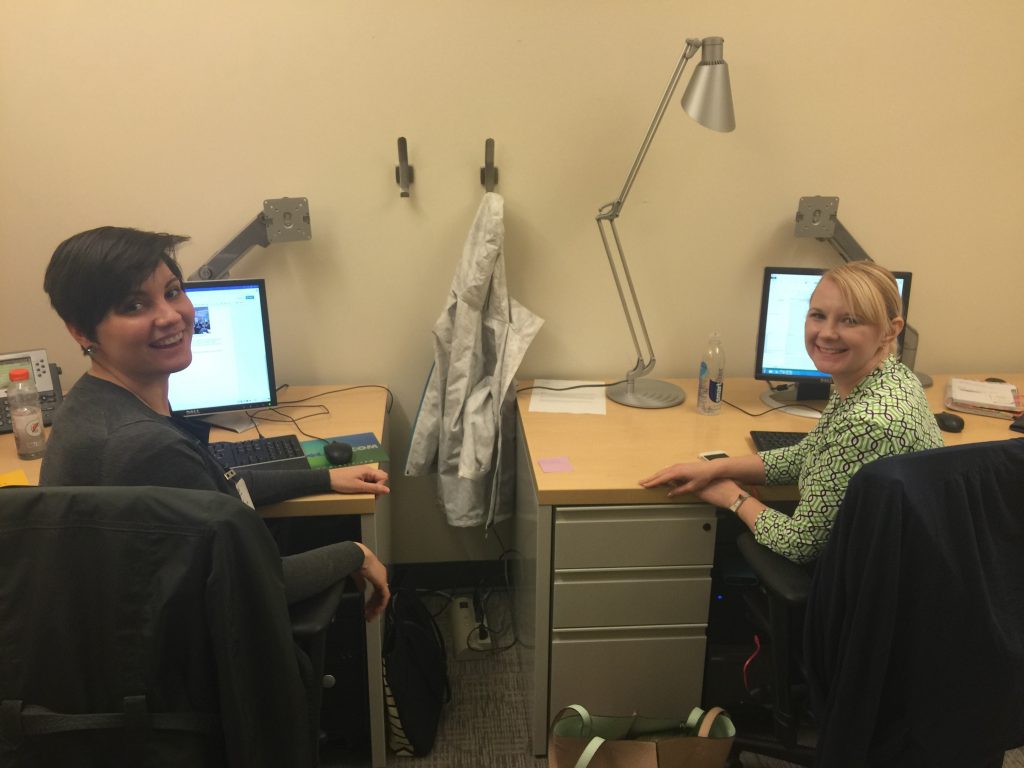
This post was written by Cat Staley, a MLIS student in the University of Kentucky’s School of Library and Information Science program. Interested in exploring an internship of your own? Applications are still open for Summer 2016 projects!
Over spring break, I and four other University of Kentucky School of Library and Information Science graduate students interned at the Smithsonian Libraries in Washington, DC. With our supervisors’ guidance, my classmates and I worked on projects in Advancement, the Biodiversity Heritage Library, Artists Files, Scholarly Communications, and Social Media. Megan Lucy, who spent time in Scholarly Communications, summed up our experience well when she said, “I valued being exposed to so many different aspects of librarianship in such a short time” — which is true because we accomplished a lot in one week!
This post was written by Emily Daniel and Rebecca Durgin, graduate students in the Smithsonian-Mason History of Decorative Arts Masters Program. Emily and Rebecca are also Graduate Research Assistants at the National Museum of American History Library.
After the apparent last snow of the season (hopefully!), Spring is finally coming to Washington, D.C. Brides-to-be always flock to the District this time of year with the promise of cherry blossom engagement photos. In addition, brides can look back at historic inspirations found in the National Museum of American History Library’s Trade Literature Collection.